The food world feeds everyone, and then it quietly takes care of its own. These are the groups doing it, from City Harvest, which began with thirty gallons of leftover potatoes, to the pitmasters who show up after a hurricane. More people need a hand this year than last. Find the one that feels like yours.
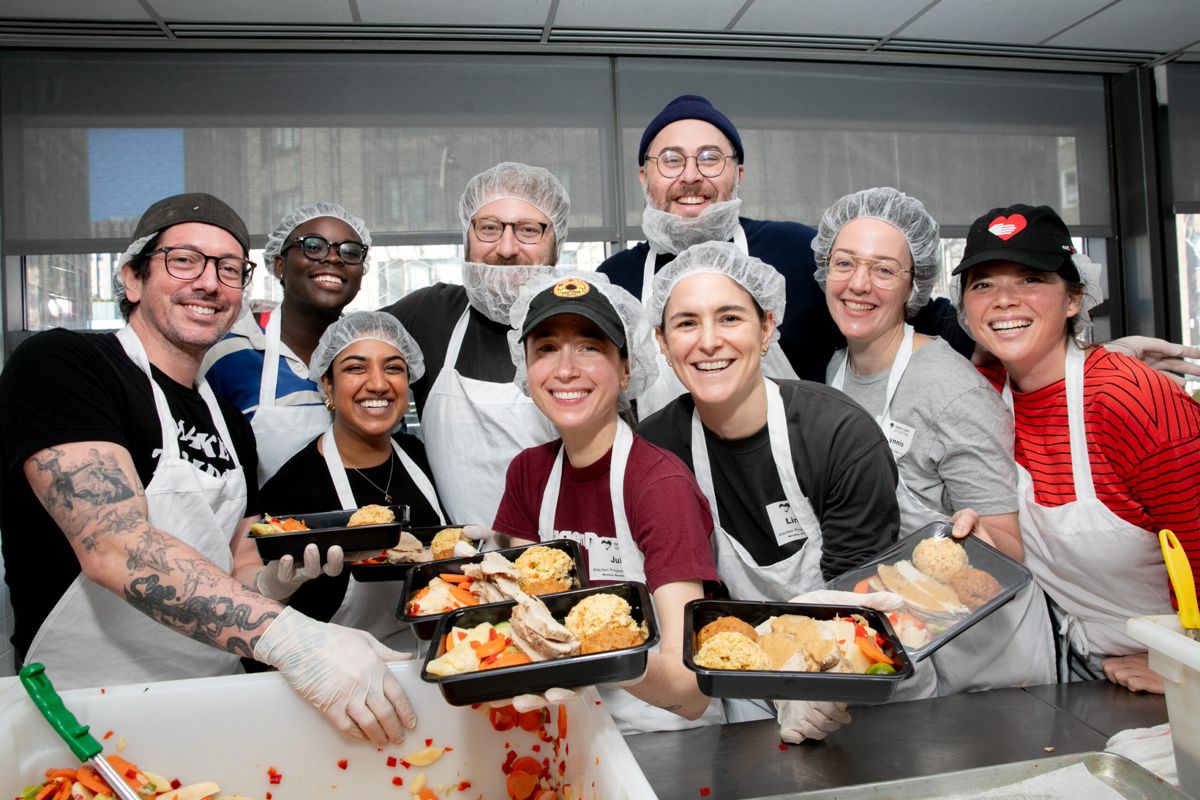
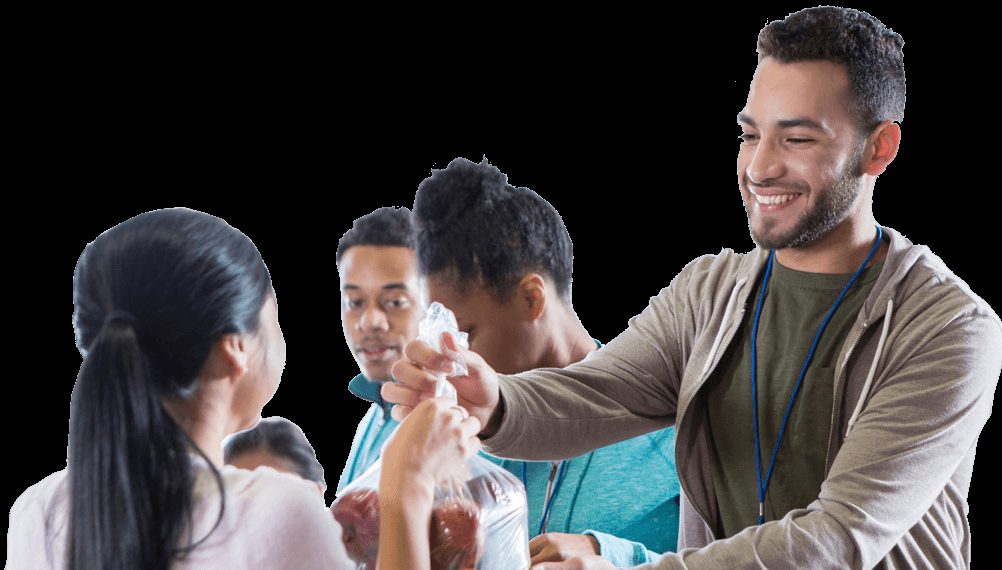
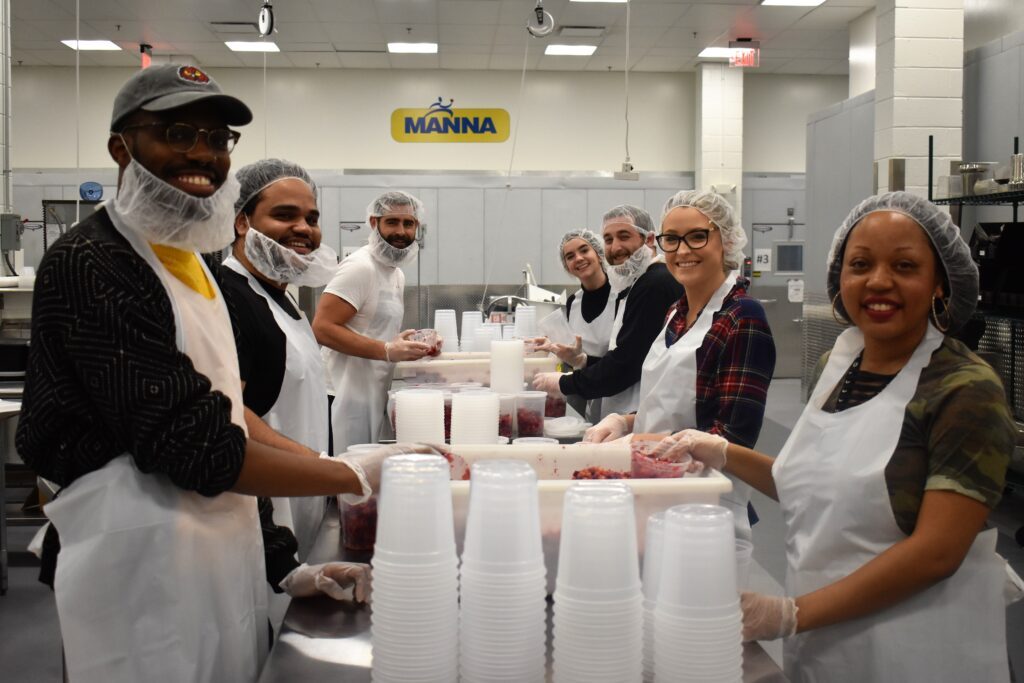
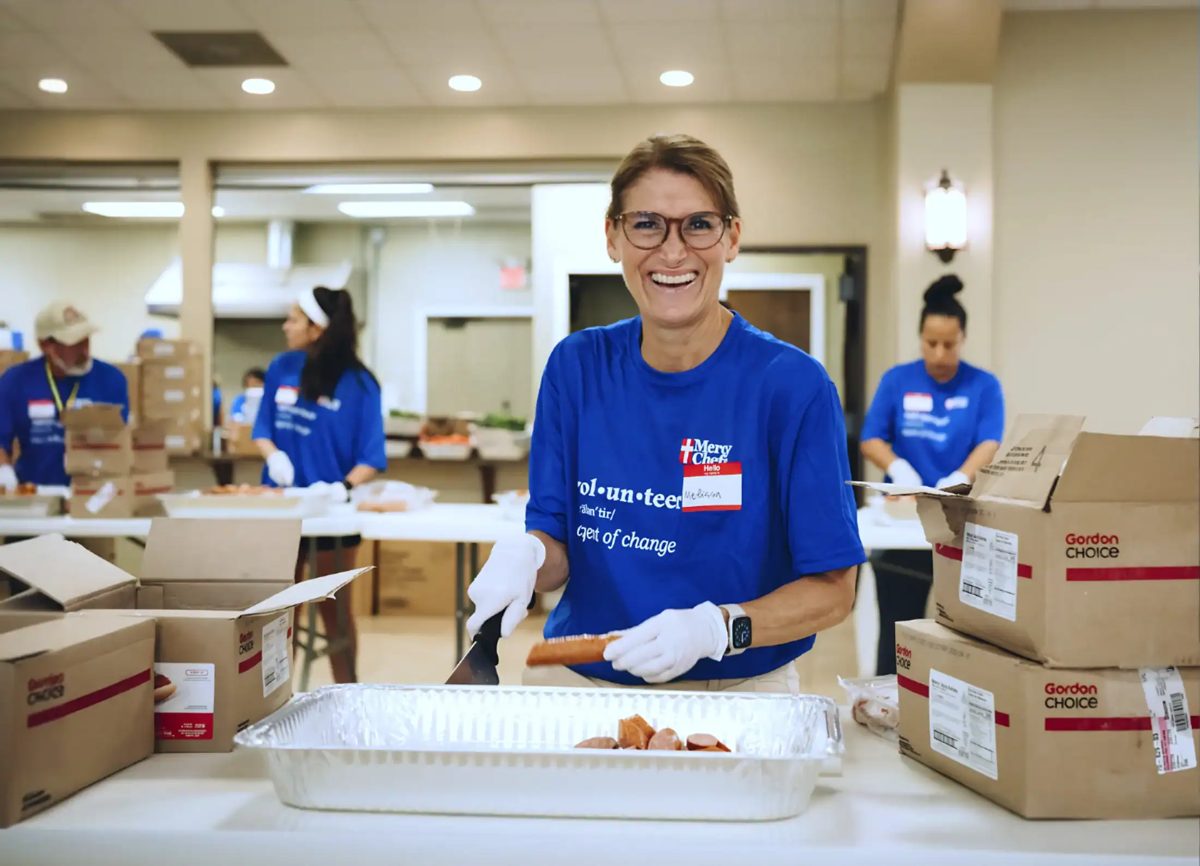
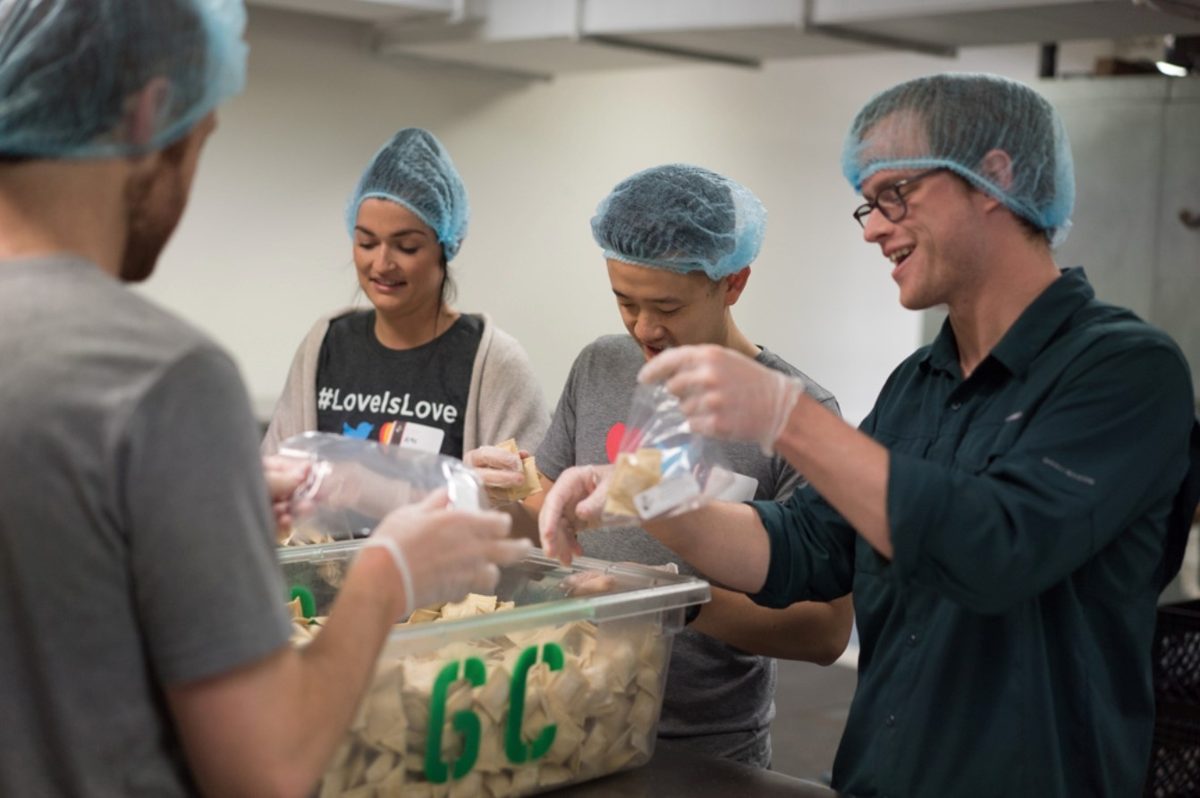
Volunteers packing Thanksgiving meals at God's Love We Deliver.
Give moneyFood banks buy by the truckload, so a dollar does more there than in your cart.
Give a SaturdayAlmost every group here needs people to pack, cook, drive and serve.
Tip like it's a holidayFor you it is. For the people cooking and serving today, it isn't.
50 charities
Feeding neighbors
Food banks and food rescue: the warehouses, trucks and volunteers that get food to pantries and tables.
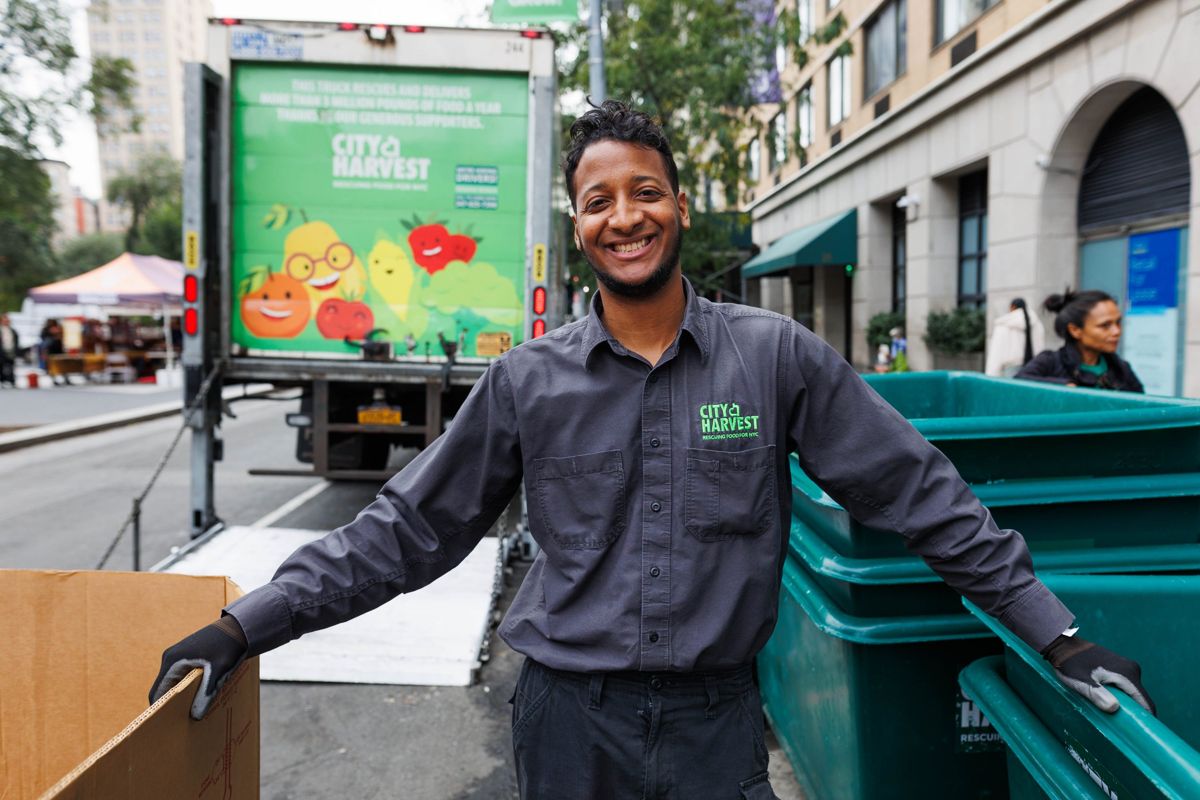
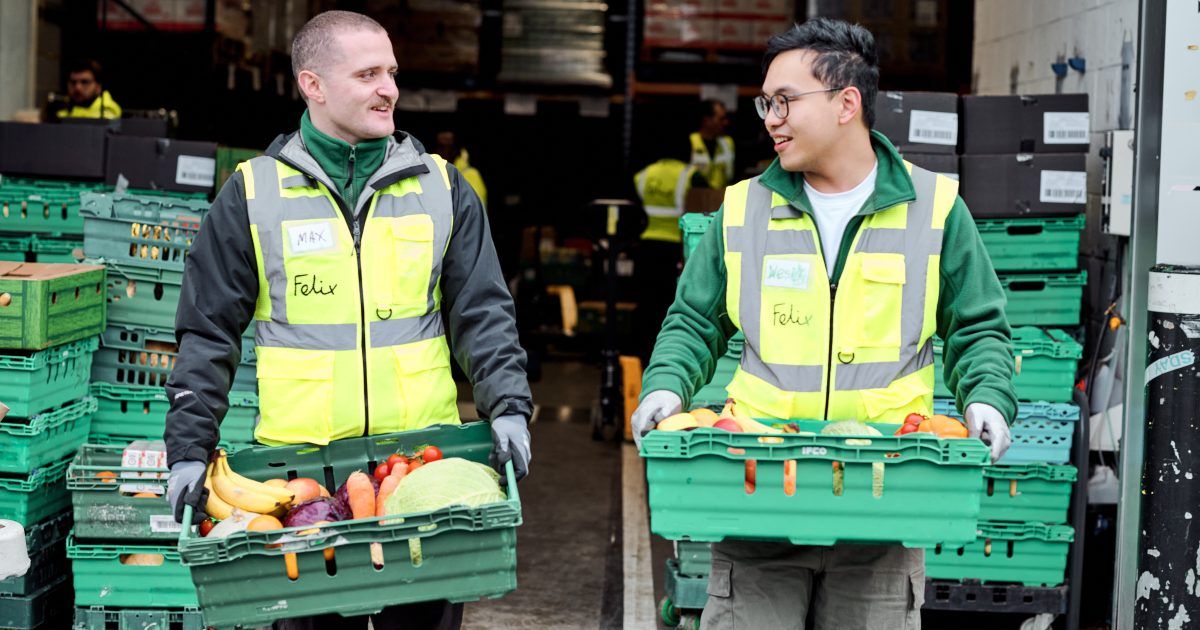
Rescues good food from restaurants, farms and grocers and delivers it free to soup kitchens and pantries across the five boroughs.
It began in 1982 when Helen verDuin Palit asked a restaurant what happened to the insides of its potato skins and carried away thirty gallons of cooked potatoes. It has since rescued more than a billion pounds of food.
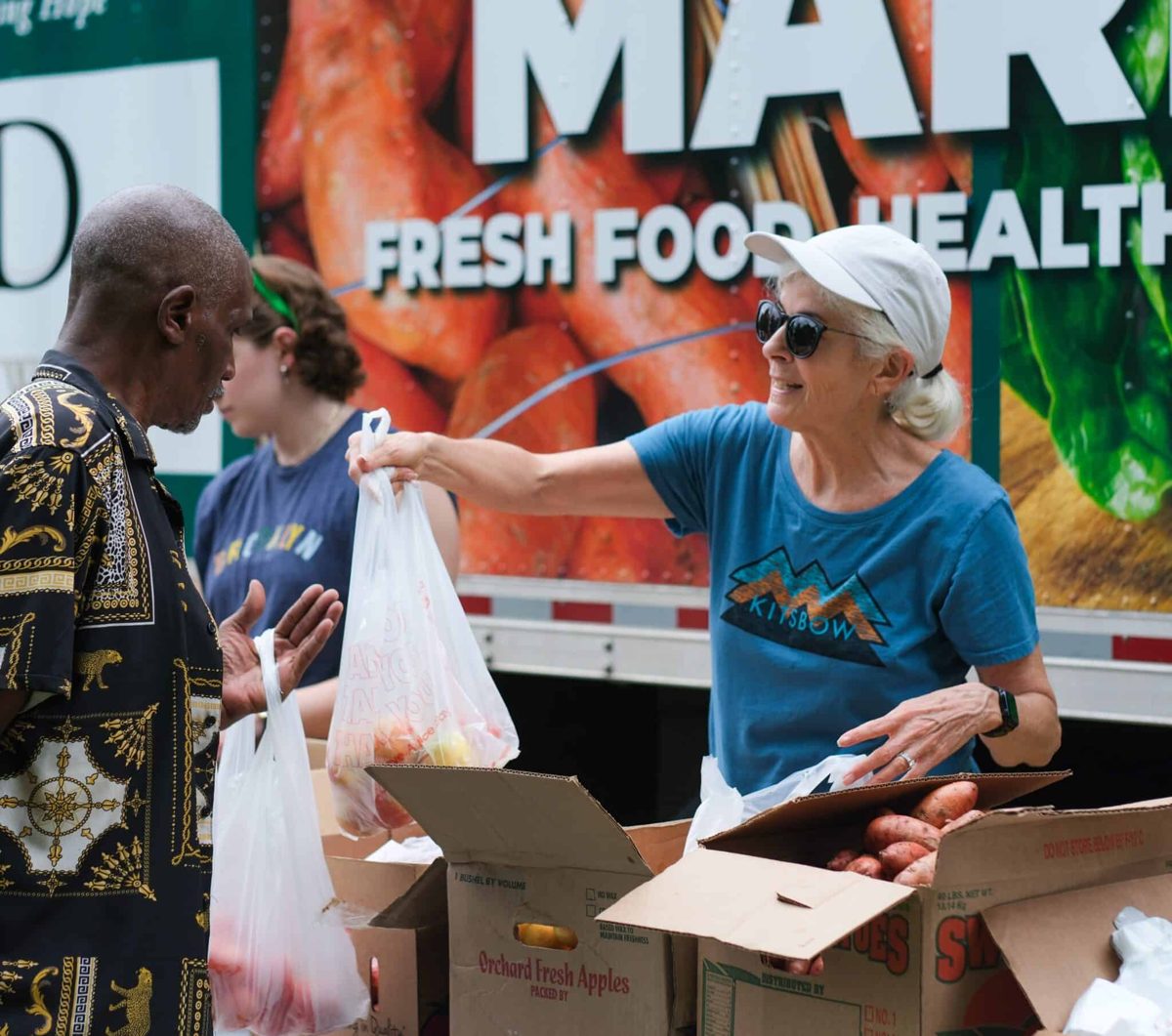
How to help: Give money (it buys food at scale), run a food drive, or volunteer at a Mobile Market.
Pays neighborhood restaurants to cook free meals for community groups, and turns surplus into dinner.
Founded by Matt Jozwiak, who cooked at Eleven Madison Park. Its restaurant partners make more than 40,000 meals a week in New York, and most are minority- or women-owned.
How to help: Give, book one of its chef dinners, or order a Rethink Food Bowl when Just Salad runs it.
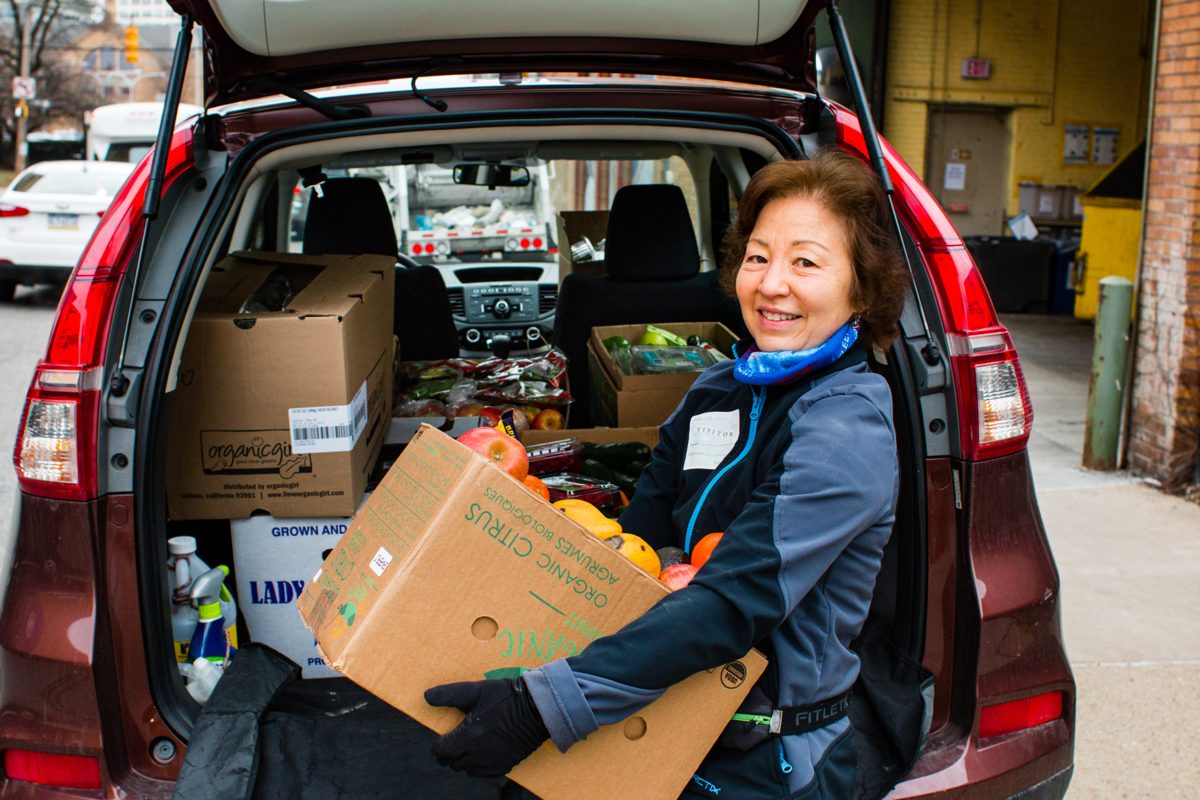
Volunteer drivers collect food that would be thrown out and take it straight to people who need it, booked through its Food Rescue Hero app.
Its drivers have kept more than 35 million pounds of food out of the trash in Western Pennsylvania, and the app it built now runs food rescue in 25 cities.
How to help: Download the app and take a rescue, or give.
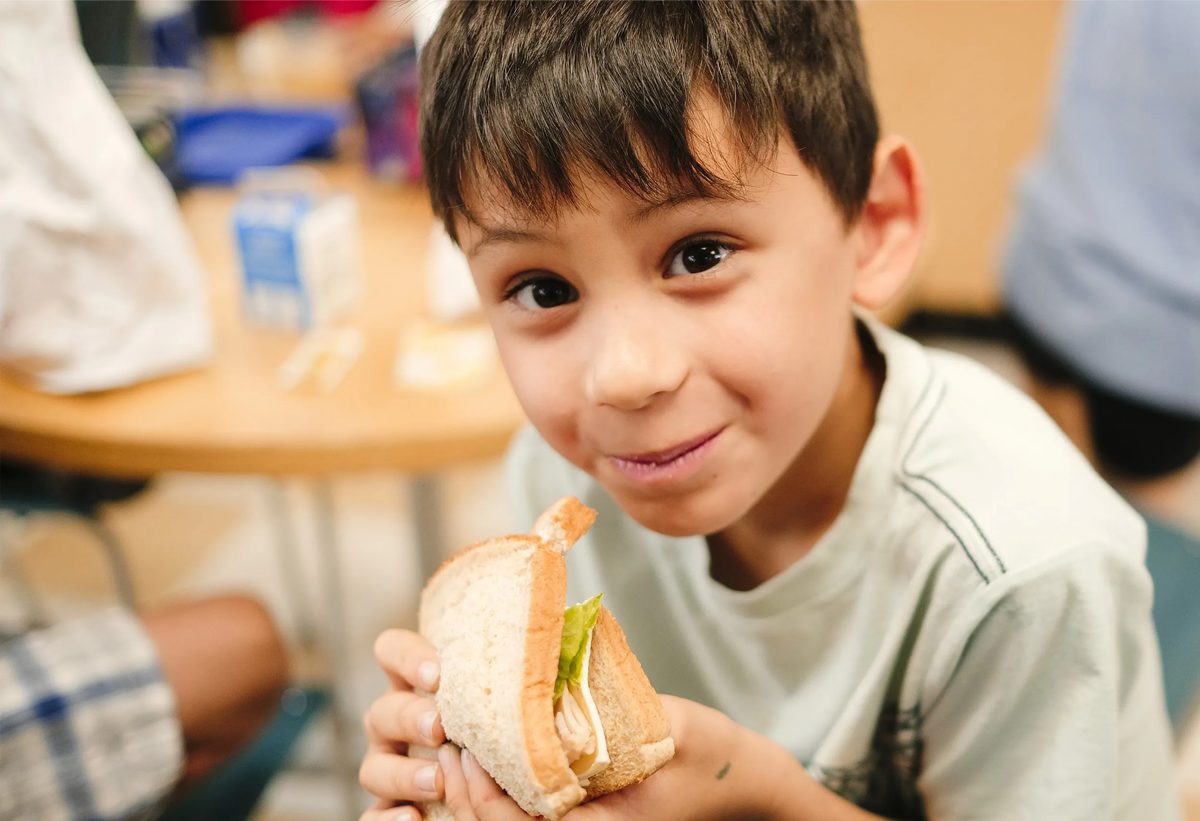
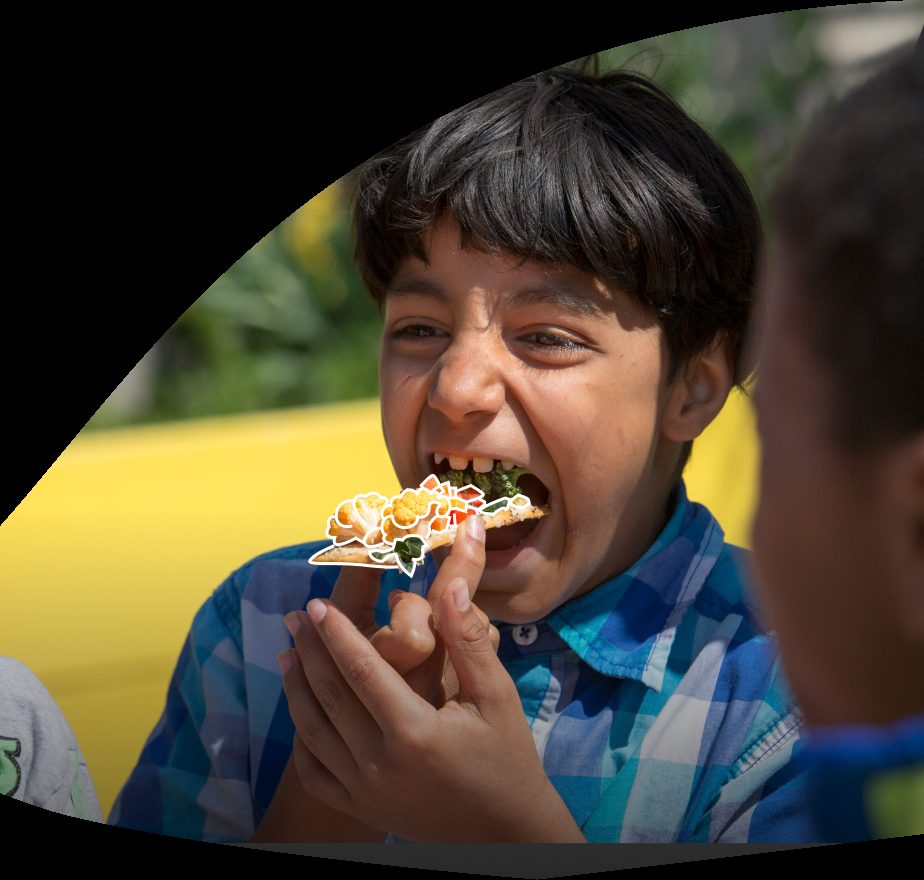
Kids and school food · Washington, D.C., working nationwide
Gets kids school breakfast, summer meals and SNAP, and funds the schools and groups that serve them.
Billy and Debbie Shore started Share Our Strength in 1984 on the idea that chefs would cook for hungry kids if asked. Chefs still do, at its Night Out dinners in cities across the country.
How to help: Give, or buy a ticket to a chef dinner in your city.
Kids and school food · Chicago, Los Angeles and online
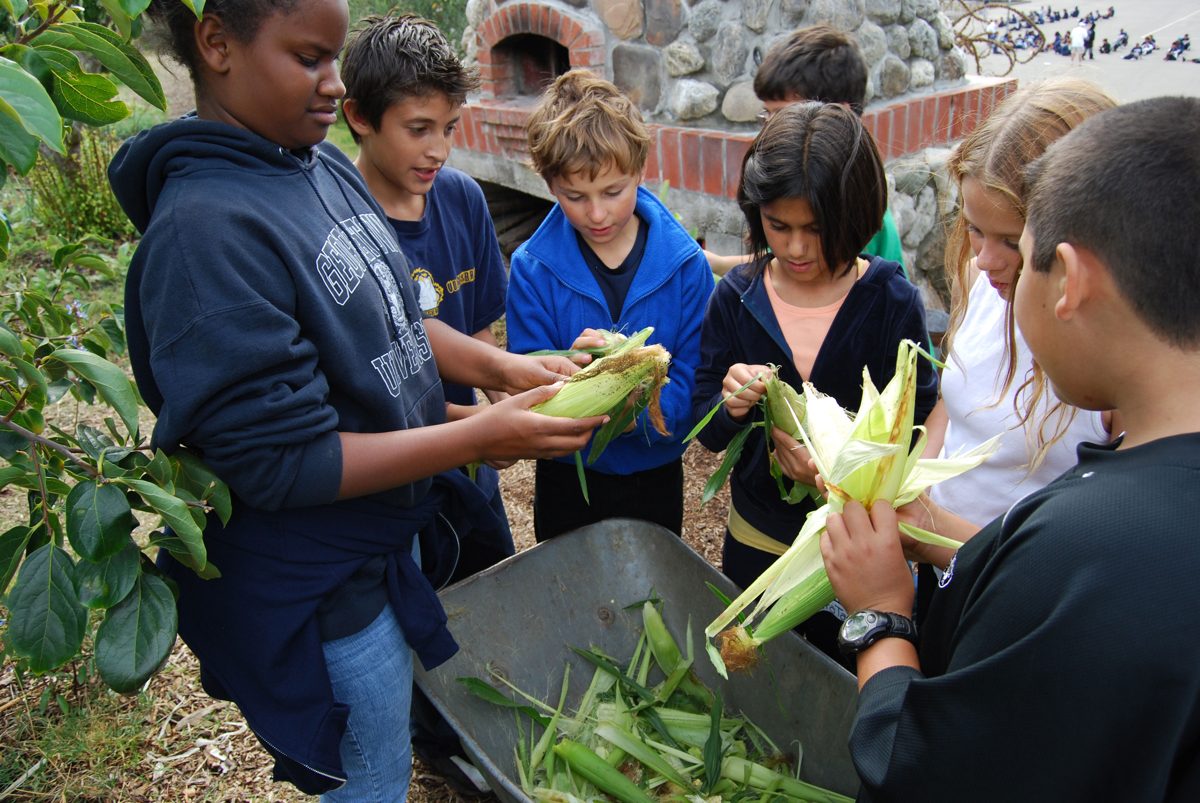
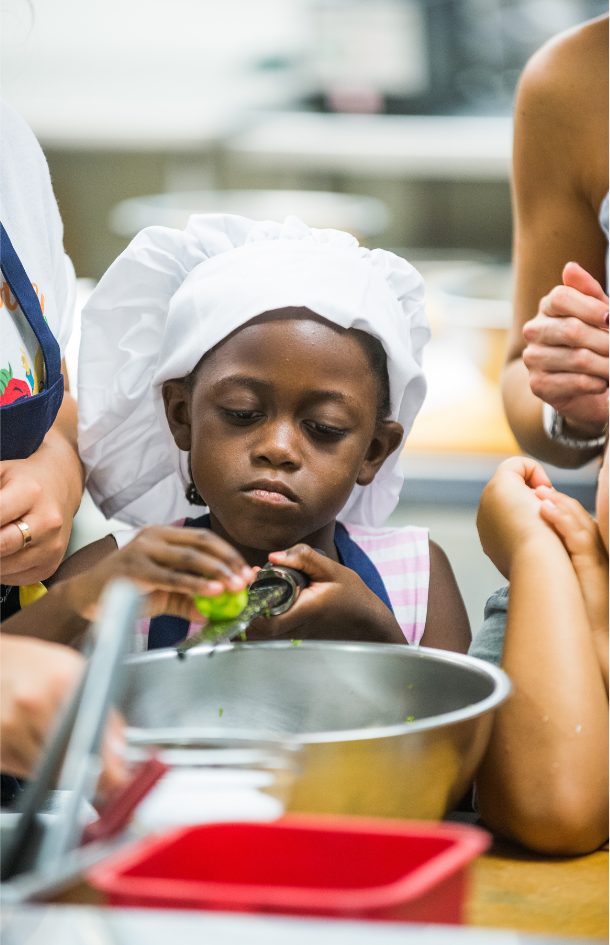
Free hands-on cooking and nutrition classes for kids and families.
Chef Art Smith co-founded it; the first class met in a Chicago church basement in 2004. In Los Angeles alone it has taught more than 130,000 people at 200-plus schools.
How to help: Give, or bring its classes to your school.
When disaster hits · Washington, D.C., working worldwide
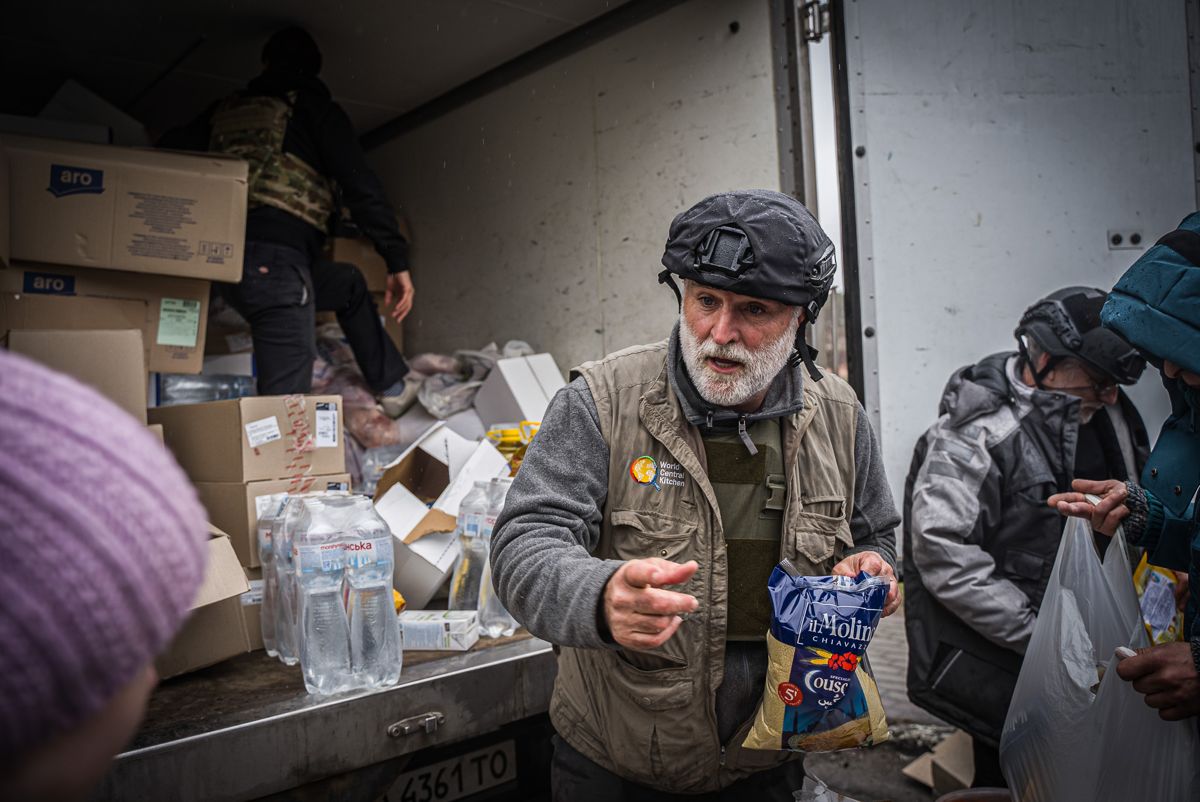
José Andrés's chefs set up kitchens wherever disaster hits and cook hot meals, often working with local restaurants.
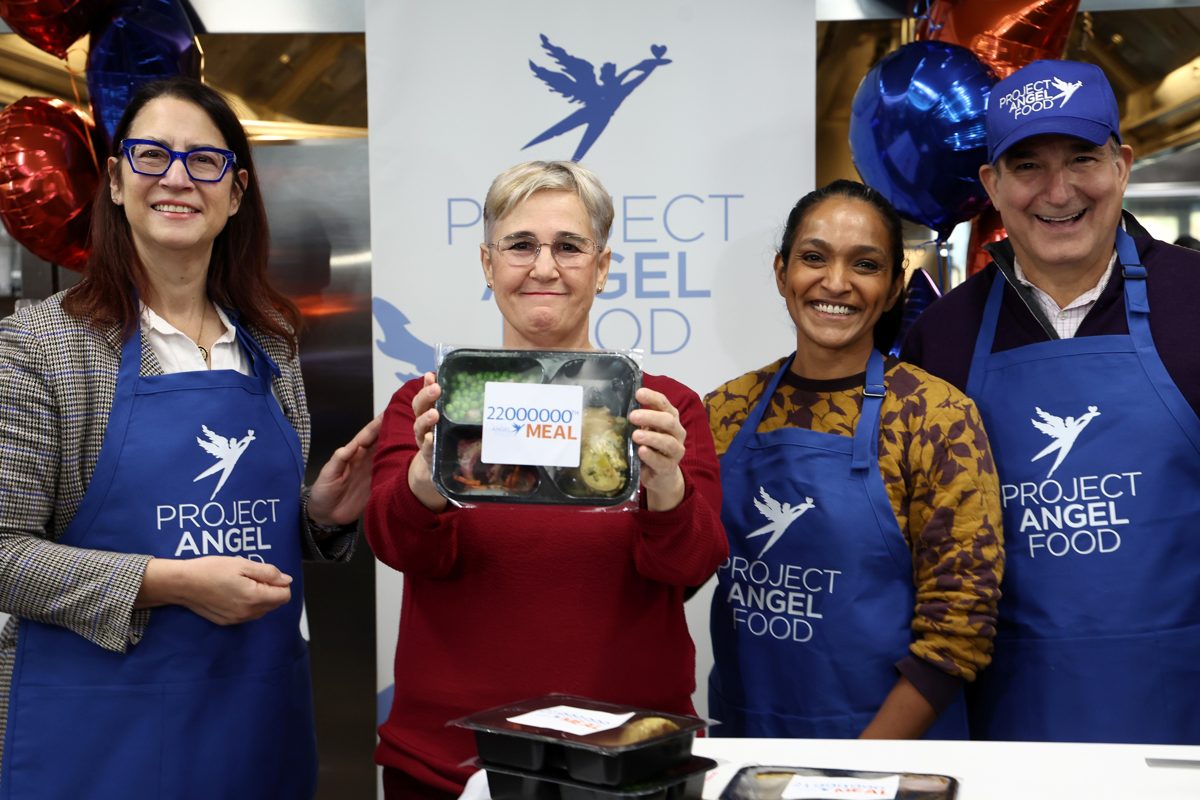
Started after the 2010 Haiti earthquake, it passed 600 million meals in January 2026. During the 2025 shutdown it fed federal and TSA workers for free.
How to help: Give to its relief fund; it moves fast when a storm hits.
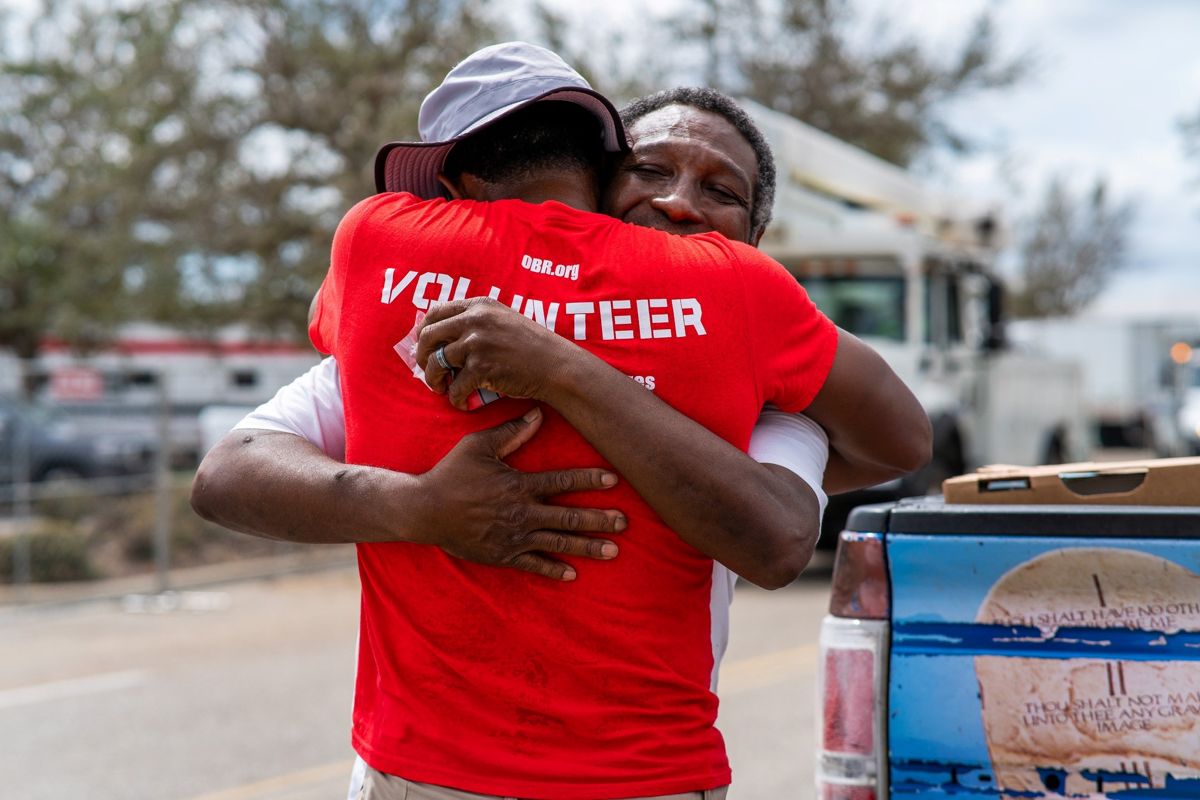
Pitmasters who roll smokers into disaster zones and serve hot barbecue to families and first responders.
After October's storms on the Gulf Coast, volunteers from 24 states served more than 280,000 meals in 15 days. It has served more than 13 million since it began.
How to help: Give, or sign up as a volunteer cook or server.
Emergency grants for restaurant and bar workers in crisis, anywhere in the country, plus free mental-health care.
Chef Chris Shepherd started it in 2017. It has handed out more than $15.6 million: the line cook who breaks a wrist, the bartender whose apartment floods.
How to help: Give, or eat at one of its fundraising dinners.
Taking care of their own · Nashville area, serving the US
Grants for restaurant and bar families when a parent or child faces a medical crisis, a death, an injury or a disaster.
It gave more than $600,000 last year, usually within two weeks, and its Groceries with Gratitude program feeds families from Thanksgiving to Christmas.
How to help: Give, or round up your check at a participating restaurant.
Taking care of their own · Charleston, with chapters across the US
Support meetings for people in food and drink who are sober or want to be.
Restaurateur Steve Palmer and Mickey Bakst founded it in 2016 after losing a chef friend to addiction. Meetings run in more than 20 cities and every day on Zoom.
How to help: Give, or pass the meeting list to someone who needs it.
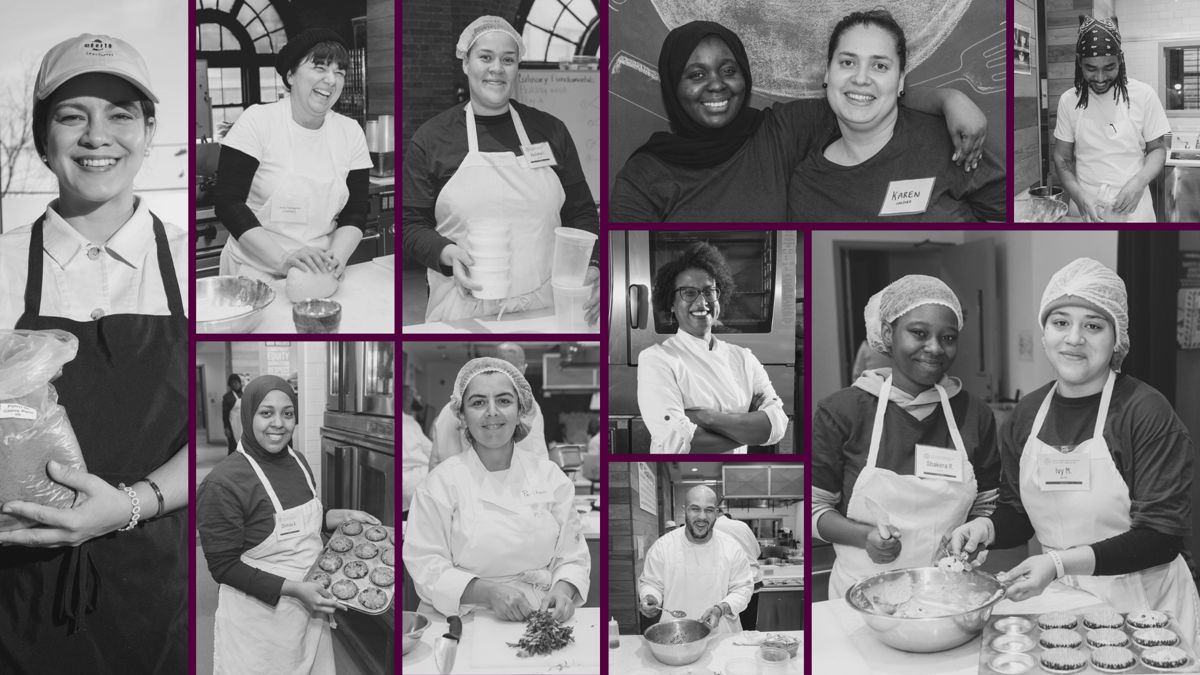
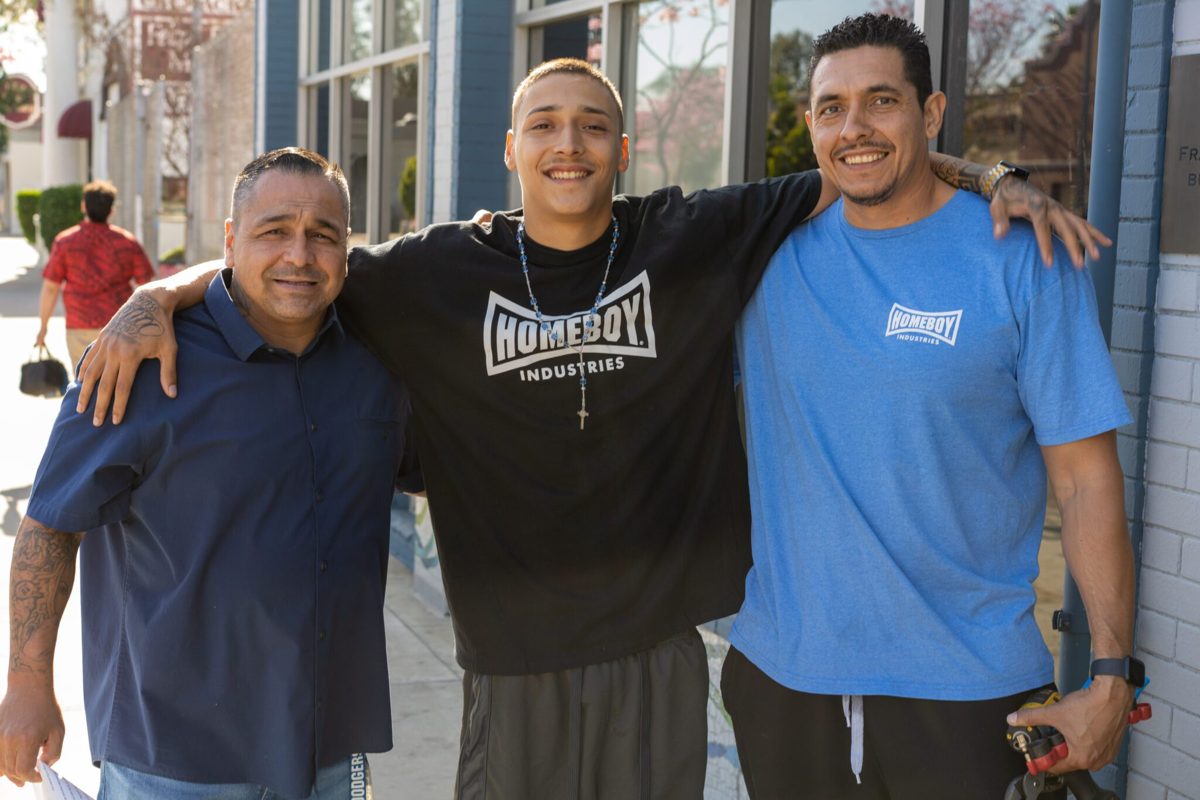
Trains people coming out of prison, addiction or homelessness for kitchen jobs, while cooking meals for shelters and schools.
Its free 14-week course places about 85 percent of graduates in jobs, and it cooks thousands of school meals a day. It has served more than 54 million meals.
How to help: Give, volunteer a kitchen shift, or hire through its catering.
Nothing here yet for that place and kind. See all 50, or find your local food bank through Feeding America.
Don't see yours?
Most of the help in this country comes from places too small for a list: the pantry in the church basement, the soup kitchen your aunt has volunteered at for twenty years, the restaurant that feeds whoever knocks at the back door at closing. Give to that one too. Feeding America's locator finds the food bank that serves your ZIP code, and Meals on Wheels America finds the program that delivers on your street.
How Chef picked
We started with the groups in our Thanksgiving note, the ones the food world built itself: Citymeals on Wheels, City Harvest, World Central Kitchen, No Kid Hungry, Southern Smoke, Giving Kitchen. Then we added the food banks and meal programs in the cities we write about most, the kitchens that train people for jobs, and the funds that look after restaurant workers. We checked every one on November 25, 2026 for this year's work: their own reports, this year's press, their 2026 events. Nobody pays to be on our lists.
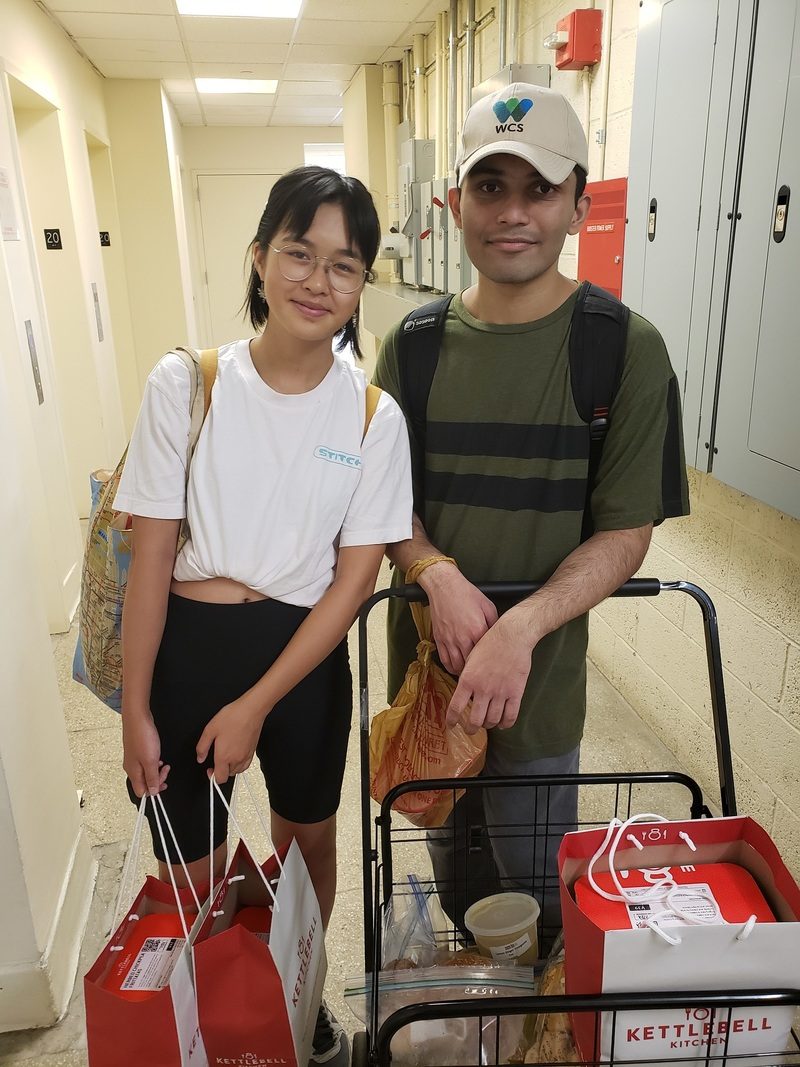
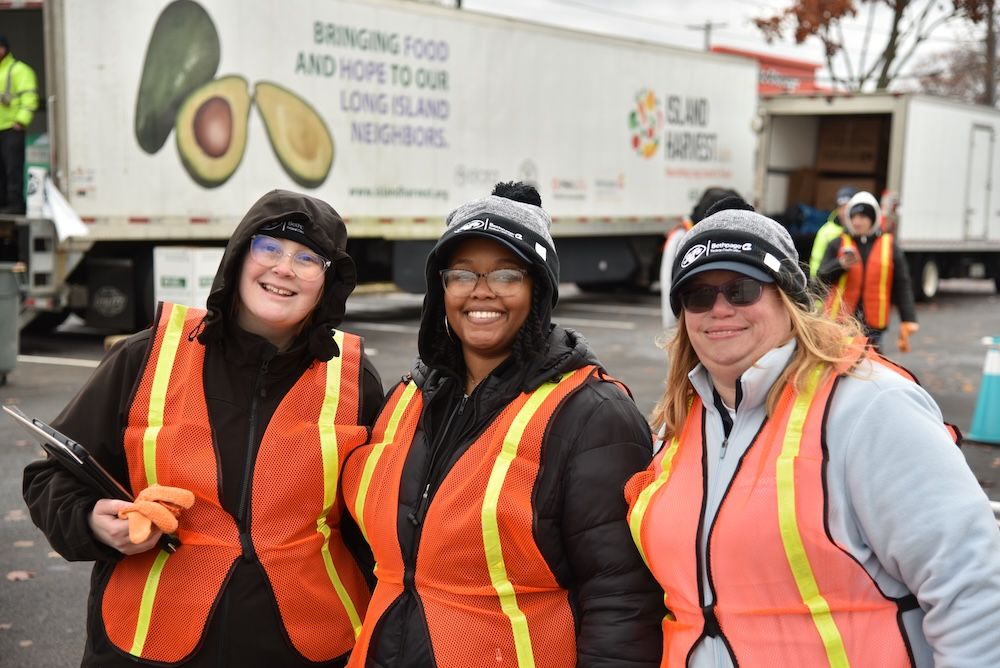
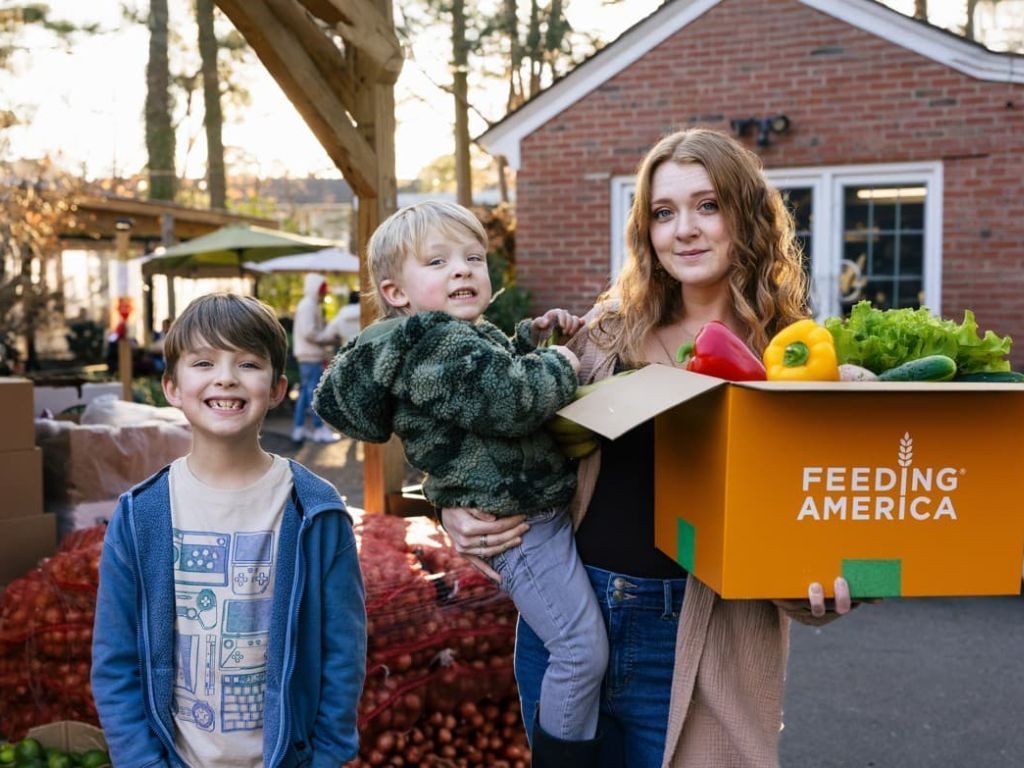
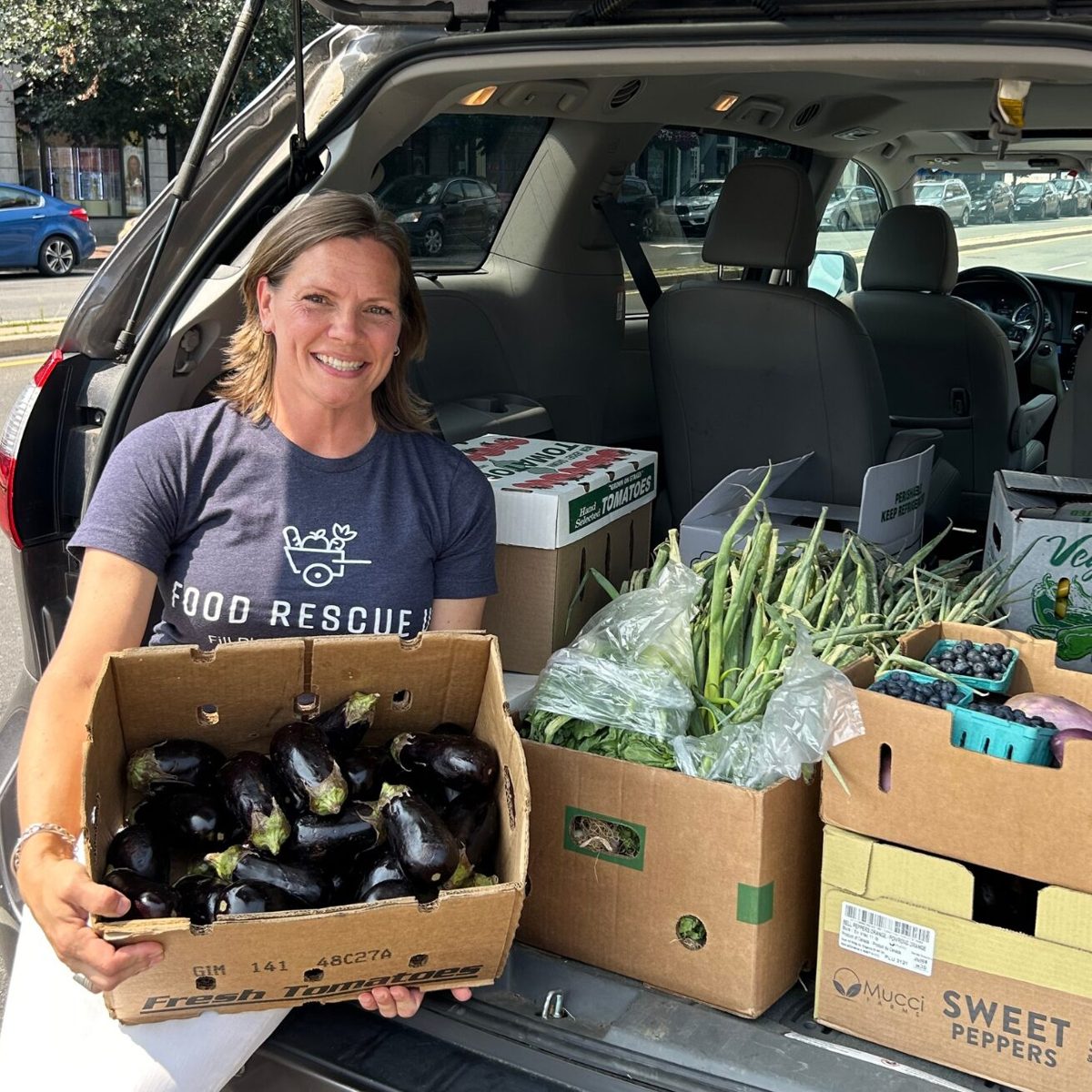
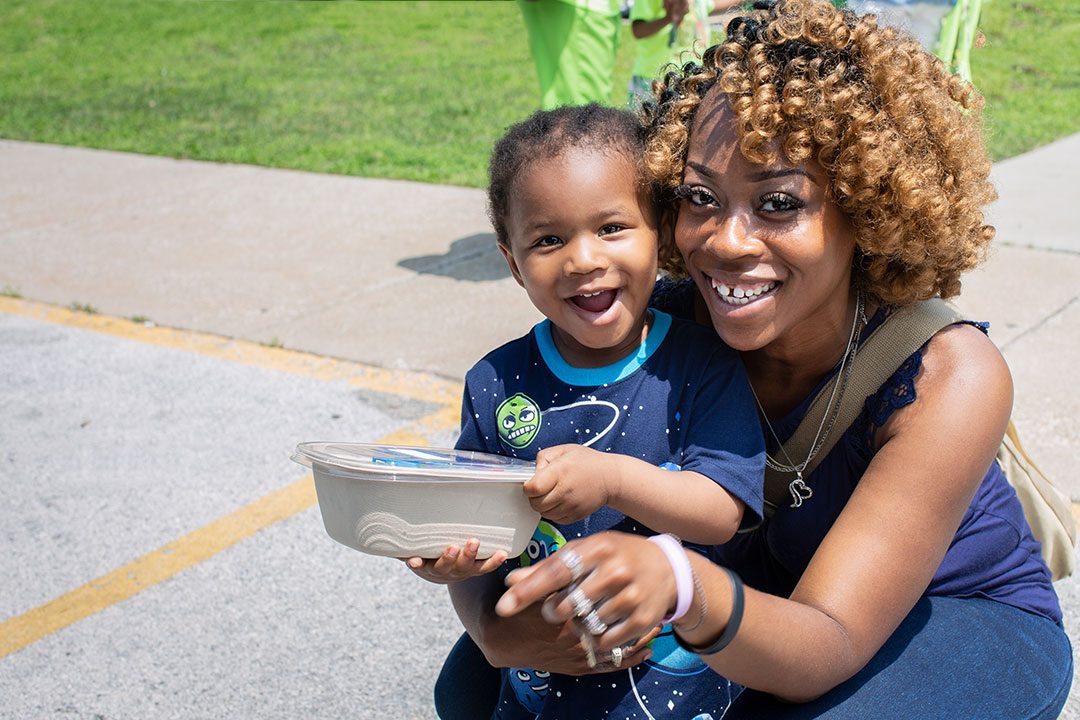
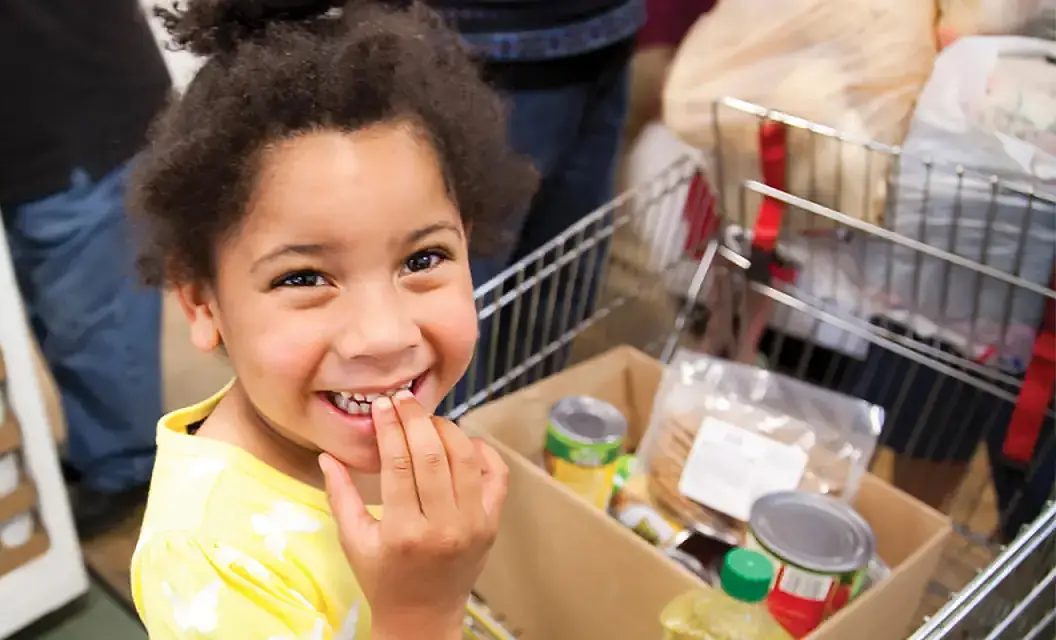
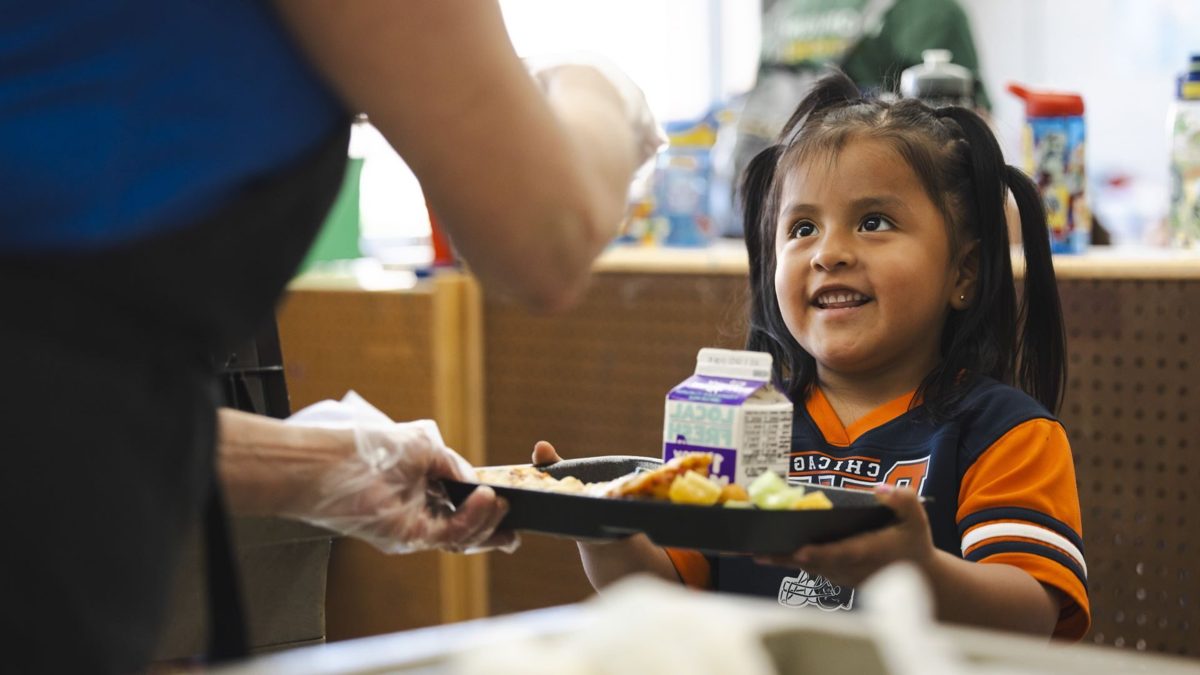
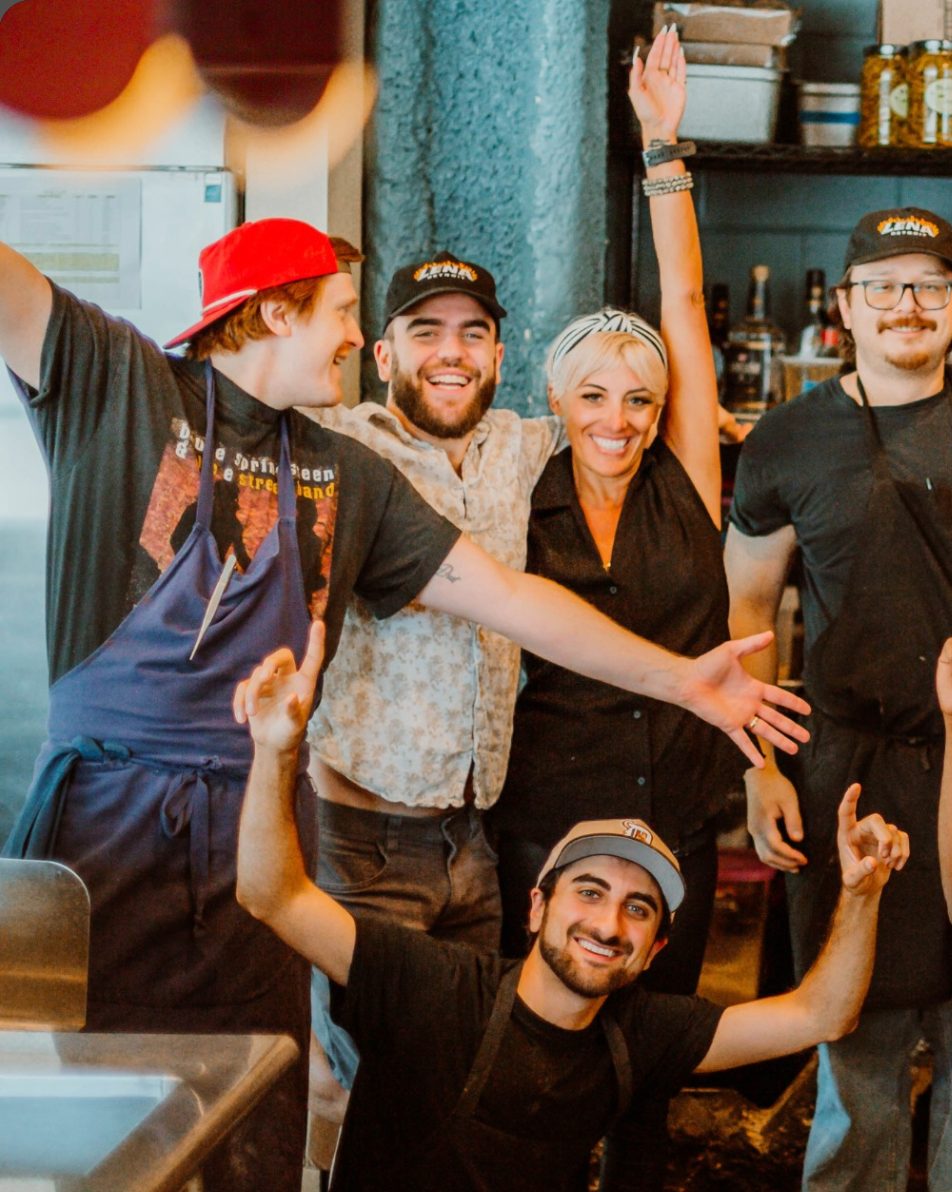
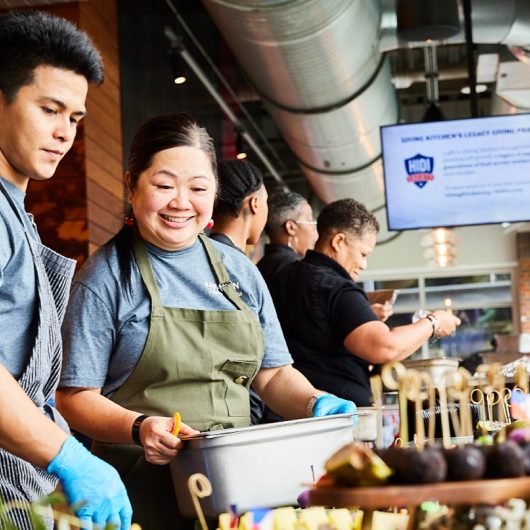
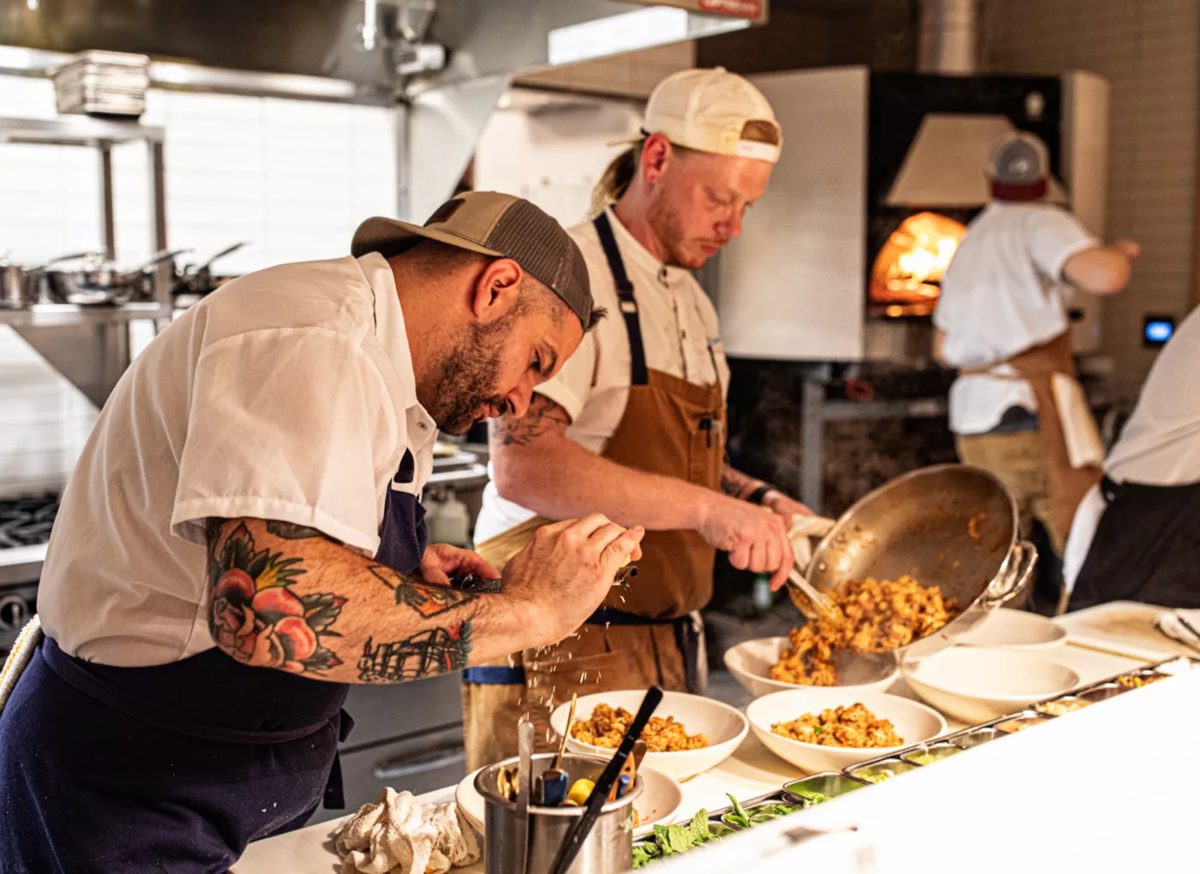
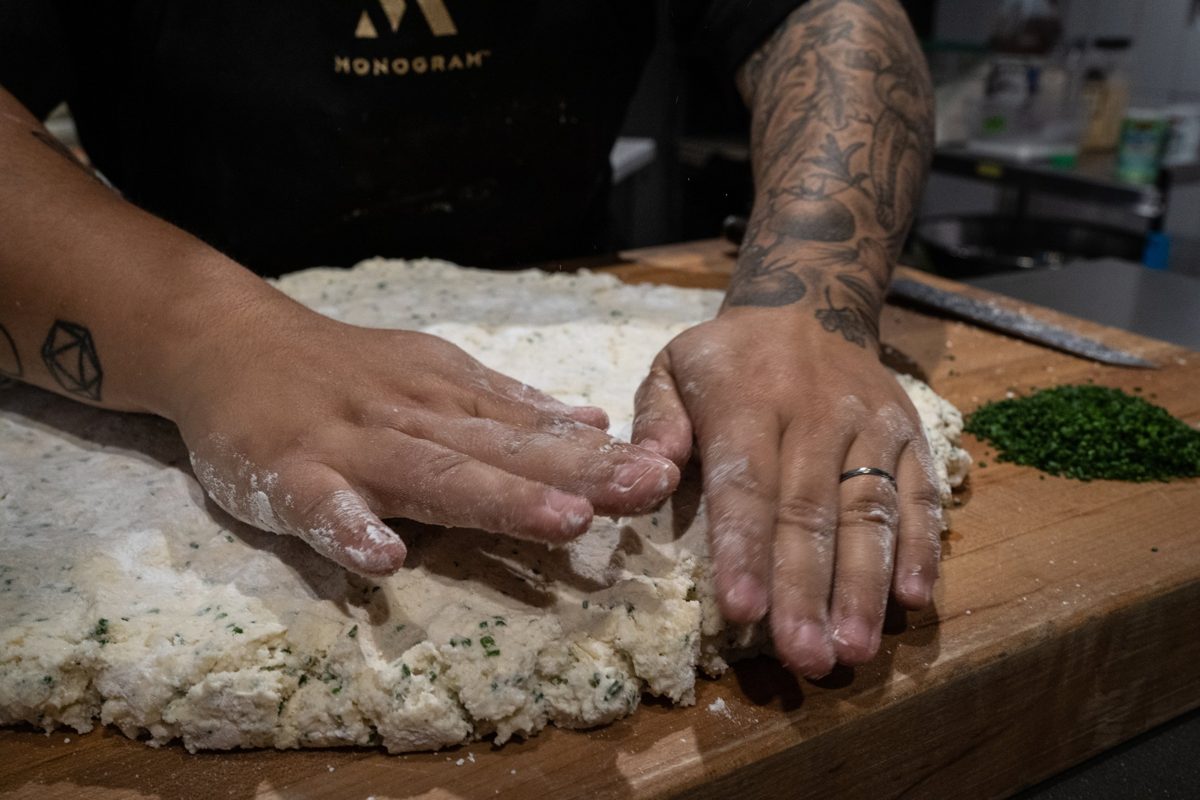
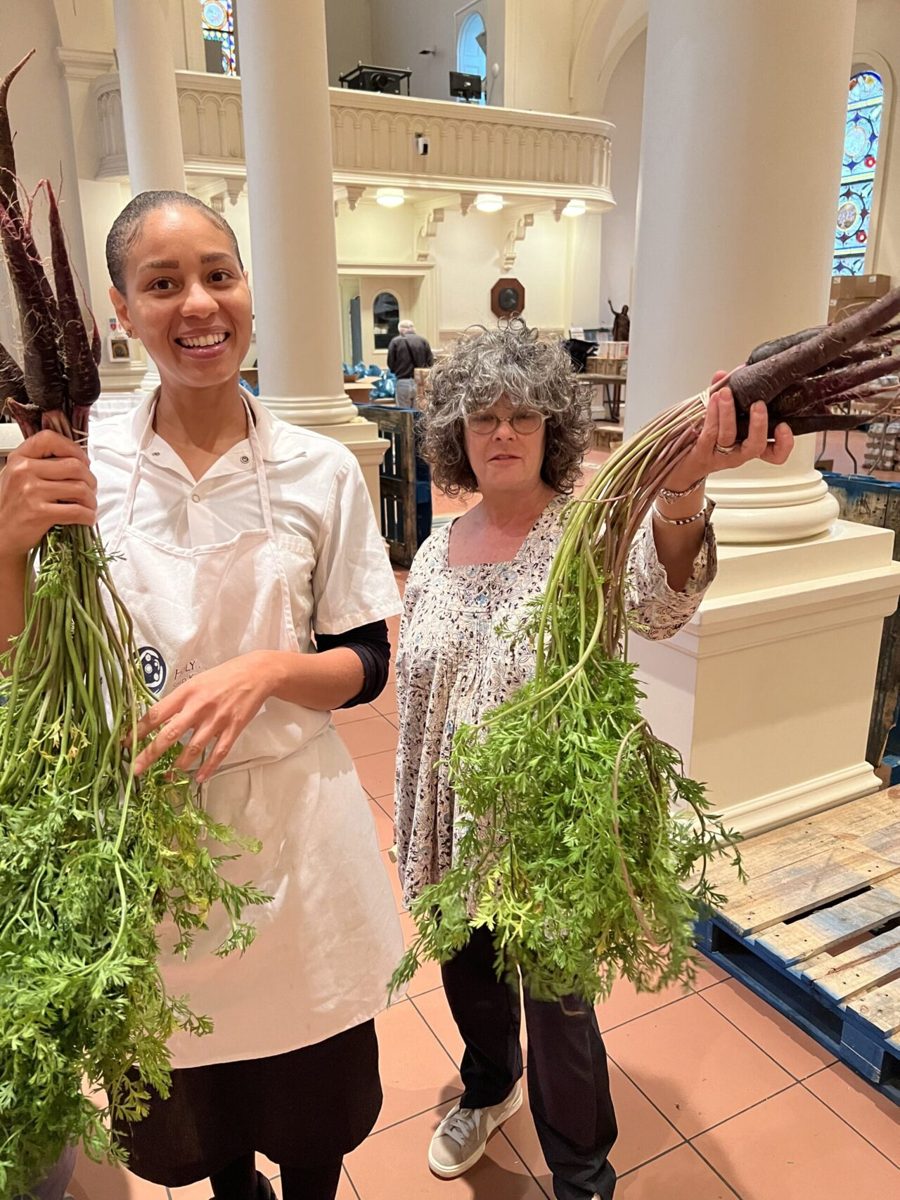
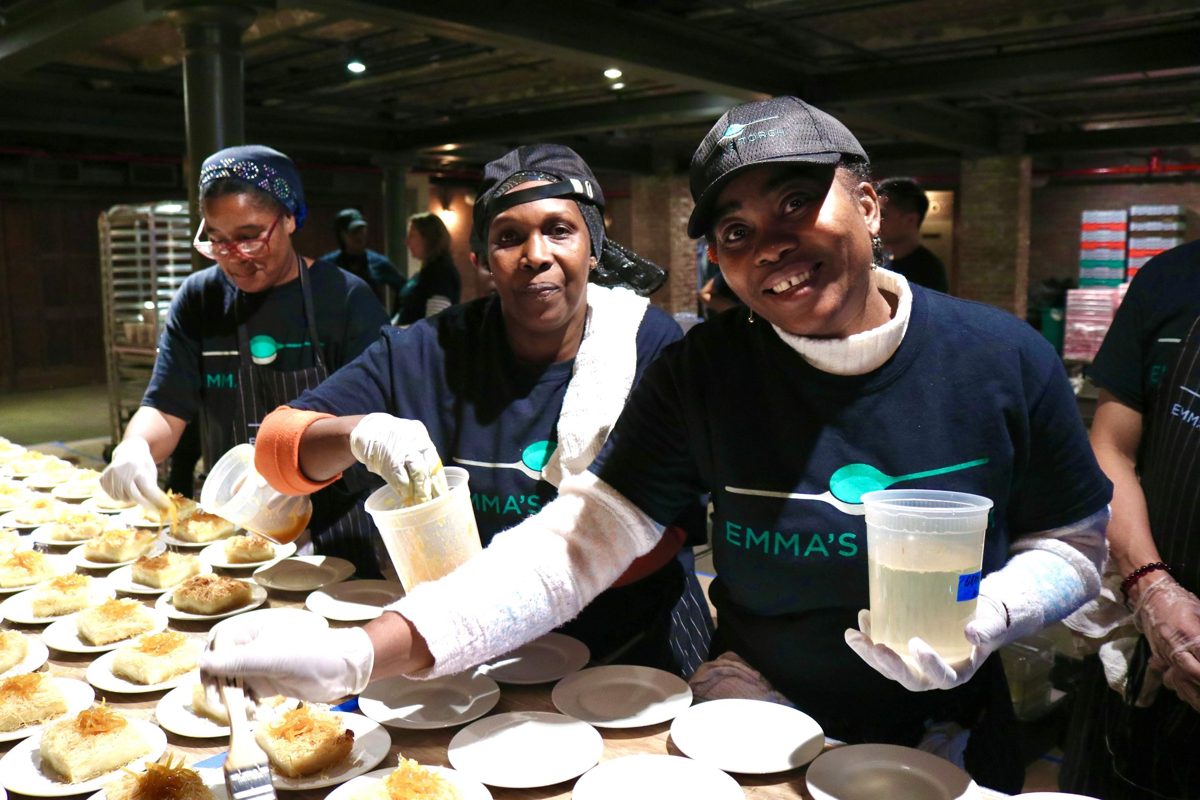
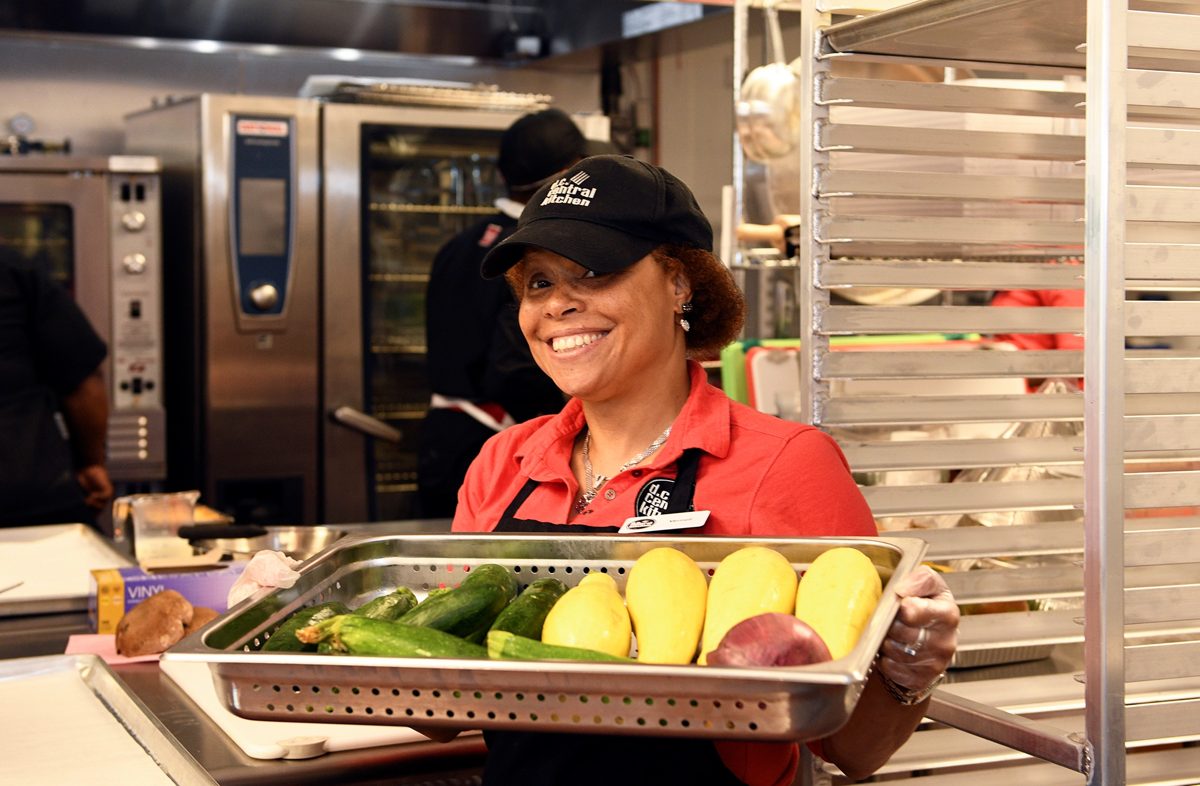
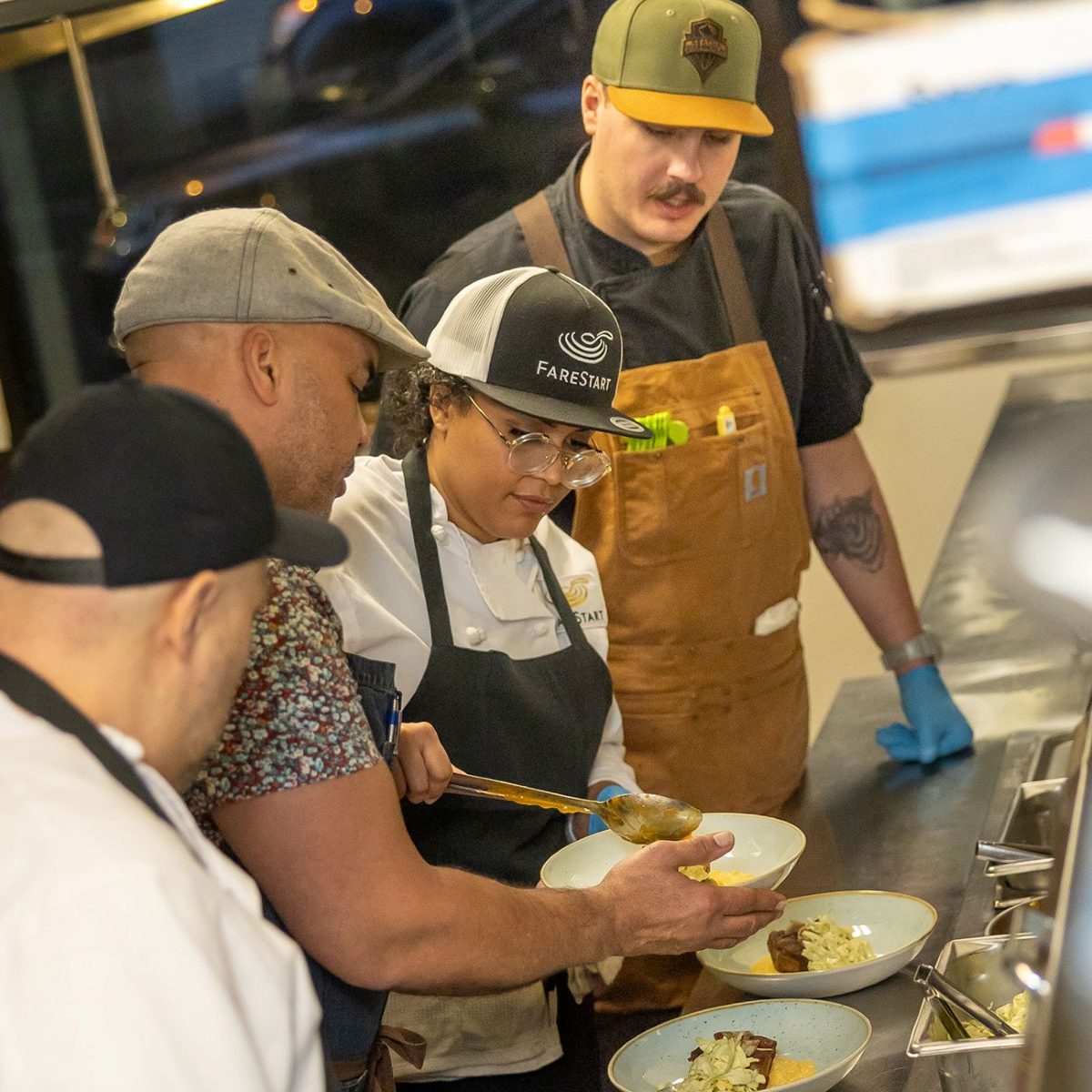
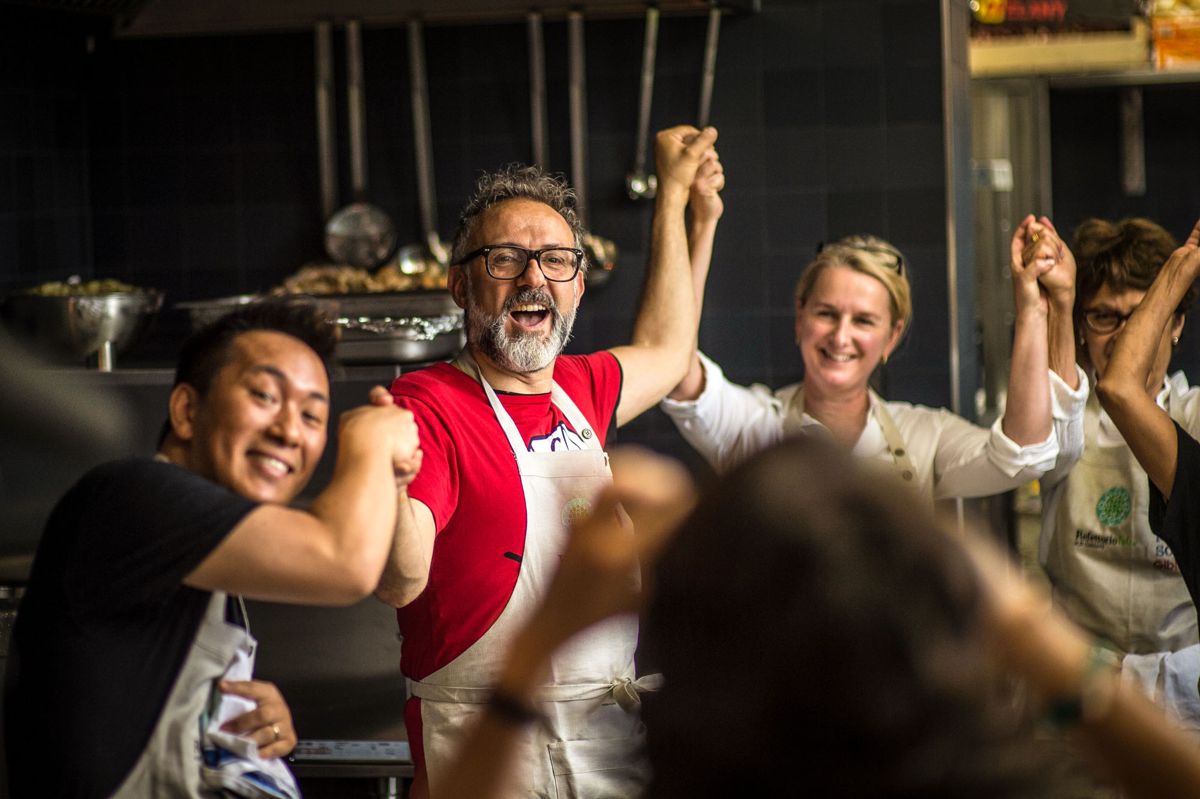
Every photo here is the charity's own, of its own people and its own kitchens. Thank you, all fifty, for the work in them.
Chef Amazing remembers every place you ate, keeps the lists friends send you, and helps you cook it at home.
Researched and published by Chef Amazing, from our own stories, this year’s critics and food press, and a check that each place is open. Nobody pays to be on our lists: how we pick. Spot something wrong? Tell us and we fix it.